Mississippi State: A Designer’s Review for Branded Merch
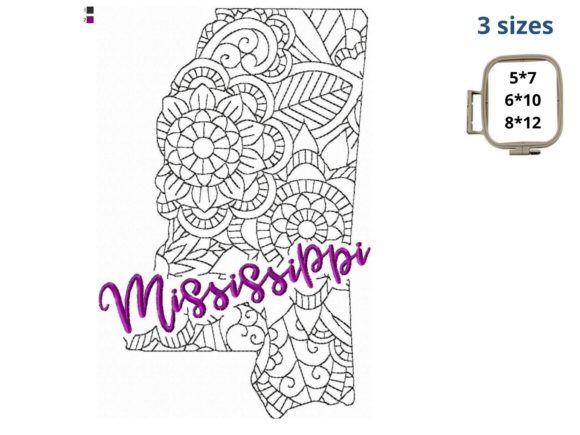
As an embroidery designer who has spent years digitizing artwork for small businesses, I approach every new machine embroidery design with a critical eye. It is not just about whether the image looks pretty on a screen; it is about how it performs in the real world of commercial production. Recently, I reviewed Mississippi State, a creative piece featuring a map of Mississippi tailored for 4th of July and USA Independence Day celebrations. For boutique owners, Etsy sellers, and apparel decorators operating within North America, this design offers specific opportunities for branded merchandise, but it also requires careful technical consideration to ensure a premium finished product.
First Impressions and Visual Personality
The immediate impression of Mississippi State is one of patriotic pride mixed with regional identity. The description highlights it as a "gorgeous artwork map," which suggests a level of detail that goes beyond simple clip art. In the context of Embroidery, map designs can be tricky. They often rely on fine lines to define borders, which can disappear if the stitch count is too low or the fabric texture is too rough.
Visually, this design feels both classic and celebratory. It bridges the gap between a standard geographic outline and a festive holiday motif. For a handmade brand or a local business, this duality is powerful. It signals community roots while tapping into the broader emotional resonance of national holidays. However, from a design review perspective, I look for balance. Does the map dominate, or does it allow space for text? Is the style rustic and handmade, or clean and modern? Based on its intended use on t-shirts, jackets, and hoodies, the design appears versatile, leaning towards a bold, recognizable aesthetic that works well for public-facing items.
Real-World Applications for Small Business Merch
For small business owners, the versatility of a digital embroidery file determines its ROI. Here is how Mississippi State performs across various commercial applications:
- Branded Patches: This is perhaps the strongest use case. An embroidered patch allows you to apply the design to multiple products without re-hooping every item. You can create a run of patches for a café, boutique, or creative studio and sew them onto denim jackets, canvas totes, or aprons later. The map shape provides a natural border for the patch, making it look intentional and professional.
- Staff Uniforms and Aprons: For local businesses like bakeries or florists, staff apparel is a walking billboard. Stitching this design on the chest pocket of an apron or the sleeve of a work shirt adds a touch of local pride. It humanizes the brand and creates a sense of belonging among employees.
- Cap Embroidery: Caps are high-margin items for merch creators. However, the curved surface of a cap front requires a simplified version of any map design. If Mississippi State has intricate internal details, they may need to be removed for cap use to prevent puckering and ensure clarity.
- Tote Bag Design: Canvas tote bags are staples for handmade shops. The sturdy fabric holds embroidery well, allowing the thread colors to pop. This design could serve as a central focal point on a tote, appealing to customers looking for functional, locally-inspired accessories.
Technical Considerations and Production Challenges
While the artistic merit is clear, the technical execution of Mississippi State requires attention to detail. As a designer, I always advise checking the following before running a full production batch:
- Stitch Density and Detail: Map designs often feature thin lines representing borders or rivers. If the stitch density is too high on these fine lines, the thread can break or the fabric can pucker. Conversely, if it is too low, the lines may look gappy. Always request a test stitch-out on the actual fabric you plan to use.
- Fabric Texture: The description mentions jackets and hoodies. These are typically thicker, textured fabrics. Ensure the design has enough saturation to cover the fabric weave without sinking in. Using a cut-away stabilizer is crucial for stretchy materials like hoodie fleece to maintain shape after washing.
- Thread Color Contrast: Since this is tied to the 4th of July, red, white, and blue are likely dominant. On dark uniforms or navy jackets, ensure there is enough contrast. You might need to add a satin stitch border or an underlay to make the design stand out against dark backgrounds.
- Hoop Size Constraints: Verify the required hoop size against your machine’s capabilities. If the design is large, it may not fit on standard cap frames or small chest areas. Always confirm the dimensions in the embroidery file metadata before purchasing.
Enhancing Brand Identity and Customer Trust
Using a region-specific design like Mississippi State does more than decorate a product; it strengthens brand identity. For businesses in the South or those targeting tourists, this design signals authenticity. It tells the customer that the brand is rooted in the community. This emotional connection drives buyer engagement and fosters trust.
When used consistently across design assets—from hang tags to social media printable mockups—the design becomes a recognizable symbol of your shop. It elevates a simple t-shirt into a piece of custom apparel that carries meaning. For Etsy sellers, this specificity can help niche down your audience, attracting buyers who are specifically looking for Mississippi-themed gifts rather than generic Americana.
Practical Designer Notes for Commercial Use
Before integrating Mississippi State into your small business merch lineup, follow these professional steps:
- Test in Black and White: Convert the design to grayscale in your editing software. If the details disappear without color, the design relies too heavily on hue rather than structure. This helps identify potential visibility issues on monochrome uniforms.
- Check Commercial Licensing: Never assume a digital embroidery file comes with unlimited commercial rights. Read the license terms carefully. Some designers allow unlimited sales, while others require an extended license for mass production. Protect your business by confirming this upfront.
- Create Client Mockups: If you are doing work for hire, place the design on a digital mockup of the specific garment. Show the client how it looks on a left-chest position versus a full-back print. This manages expectations and reduces revision rounds.
- Inspect Spacing: Look at the spacing between the map outline and any text elements. Tight spacing can cause thread buildup and needle breaks. Ensure there is adequate breathing room for clean stitching.
In conclusion, Mississippi State is a compelling asset for embroidery professionals looking to expand their patriotic or regional collections. It offers a blend of artistic flair and commercial viability, provided it is executed with technical precision. By understanding the nuances of fabric, stabilizer, and stitch density, you can transform this machine embroidery design into a high-value product that resonates with customers and enhances your brand’s professional reputation. Whether for a local boutique’s apron or a tourist shop’s souvenir cap, this design has the potential to stitch together community pride and quality craftsmanship.