Laurel Embroidery Review: A Designer’s Take on Branded Merch
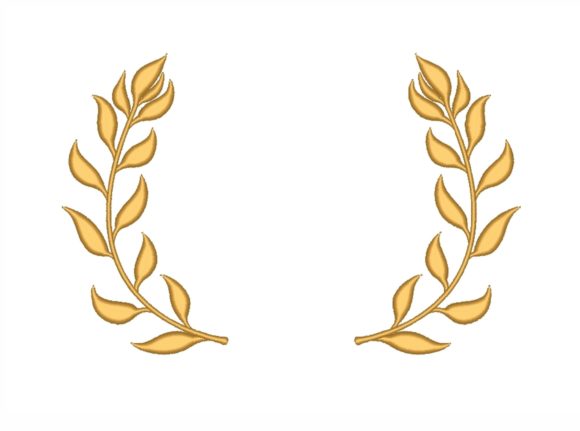
As an embroidery designer who has spent years digitizing and reviewing files for commercial use, I approach every new machine embroidery design with a critical eye. It is not just about whether a pattern looks pretty on a screen; it is about how it performs under the needle, how it translates to fabric, and ultimately, how it serves the brand identity of the small business owner using it. Today, I am taking a close look at Laurel, a floral wreath design that promises versatility across clothing, home decor, and gifts.
For small business owners, Etsy sellers, and apparel decorators, finding the right digital embroidery file is a balancing act between aesthetic appeal and technical reliability. Laurel sits in the Floral Wreaths category, a popular choice for those seeking a blend of elegance and organic charm. But does it hold up when stitched onto a staff uniform or a premium tote bag? Let us dive into the details.
First Impressions: Visual Personality and Brand Fit
The first thing that strikes me about Laurel is its balanced aesthetic. It feels both professional and friendly, avoiding the trap of being overly ornate or too simplistic. The description notes that this superb floral embroidery would make an excellent embellishment for clothing, home decor, table cloths, gifts, and many more items. This versatility suggests a design that is adaptable rather than niche.
From a branding perspective, Laurel exudes a sense of handmade quality without looking amateurish. It carries a rustic yet premium vibe, making it suitable for boutique merchandise, creative studios, bakeries, or florists. If your brand identity leans toward the natural, the artisanal, or the warmly welcoming, this design aligns perfectly. It is not aggressive or ultra-modern; instead, it offers a classic, decorative touch that enhances rather than overwhelms the base product.
Real-World Applications for Small Business Merch
When I evaluate a design for commercial embroidery, I imagine it in various real-world scenarios. Here is how Laurel performs across different product types:
- Embroidered Patches: This is perhaps the strongest use case. A floral wreath creates a natural border that frames well within a circular or oval patch shape. It works beautifully as a standalone logo accent for handmade brands.
- Staff Uniforms and Aprons: For cafes and boutiques, Laurel adds a touch of sophistication to apron embroidery. Placed on the chest or pocket, it elevates the perceived value of the service provided by the staff.
- Cap Embroidery: While wreaths can be tricky on curved surfaces, a simplified version of Laurel could work on the side panel of a cap or as a smaller center-front detail, provided the stitch density is managed correctly.
- Tote Bag Design: Canvas bags benefit from bold, clear designs. Laurel provides enough visual weight to stand out on textured fabric, making it an ideal choice for eco-friendly branded merchandise.
- Customer Gifts and Packaging: Small embroidered tags or accents on gift wrapping can utilize scaled-down versions of this design to create a memorable unboxing experience.
The fact that this machine embroidery design comes with multiple embroidery fil formats is a significant advantage. It means you are likely covered for various machines, reducing compatibility issues during production runs.
Technical Considerations and Stitch Performance
Beauty means nothing if the design puckers the fabric or breaks needles. When reviewing Laurel, I focus on technical execution. Floral wreaths often involve intricate curves and overlapping elements. In a finished product, these areas need careful attention to stitch density.
If the density is too high, the fabric may pucker, especially on lighter materials like cotton table cloths or silk blends. If it is too low, the backing fabric might show through, ruining the premium look. Since the specific stitch count is not provided in the brief, I strongly advise checking the density settings in your embroidery software before running a full batch. Always test on a scrap piece of the exact fabric you intend to use.
Another critical factor is the hoop size. Ensure that the largest version of Laurel fits comfortably within your standard hoop without requiring excessive re-hooping, which can lead to alignment errors. For small business merch, consistency is key to maintaining professional standards.
Where to Use Caution
While Laurel is versatile, it is not a one-size-fits-all solution. There are specific scenarios where you should proceed with care:
- Tiny Lettering Integration: If you plan to combine Laurel with text, ensure the font is large enough. Floral details can compete with small letters, making them hard to read from a distance.
- Dark Uniforms: Thread color contrast is vital. On dark navy or black uniforms, ensure you use high-contrast thread colors. Pastels may get lost, while bright whites or metallics can pop effectively.
- High-Wear Items: For items that undergo frequent washing, such as kitchen aprons, verify that the satin stitches used in the wreath are secure. Loose threads can unravel over time if not properly locked.
- Textured Fabric: On highly textured fabrics like terry cloth or heavy wool, fine details in the floral elements may disappear. In these cases, consider simplifying the design or increasing the stitch thickness.
Enhancing Brand Identity and Customer Trust
Why does a design like Laurel matter for your bottom line? Because it contributes to visual consistency. When customers see the same high-quality embroidered patch on your tote bags, aprons, and packaging, it builds recognition. It signals that you care about the details.
A well-executed floral wreath conveys warmth and attention to craft. For handmade product sellers, this aligns perfectly with the narrative of quality and care. It transforms a generic item into a branded asset. Whether you are creating a printable mockup for your online store or stitching actual samples for a trade show, Laurel helps communicate a cohesive brand story.
Practical Designer Notes for Production
Before you commit to a large run of custom apparel or merchandise using Laurel, follow these practical steps:
- Test in Black and White: Remove color from the design in your software to check for clarity. If the shape holds up without color, it will look good with it.
- Check Thread Color Contrast: Select thread colors that complement your brand palette but also stand out against the fabric background.
- Use Proper Stabilizer: Match your stabilizer to the fabric weight. Cut-away stabilizers are often better for stretchy fabrics, while tear-away works for stable wovens.
- Create a Mockup: Use a printable mockup or digital preview to show clients or team members how the design will look on the final product before stitching.
- Confirm Commercial Licensing: Always verify the license terms included with the embroidery file. Ensure you have the rights to use the design for sold goods, not just personal projects.
In conclusion, Laurel is a strong contender for small business owners looking to add a touch of elegance to their merchandise. Its adaptability across various products, from caps to table linens, makes it a valuable addition to your library of design assets. By paying attention to technical details like stitch density and fabric compatibility, you can ensure that every stitched item reflects the professionalism and care your brand stands for.