Dabbing Watermelon: A Designer’s Review for Merch
As an embroidery designer who has spent years digitizing and testing designs for small business clients, I approach every new machine embroidery design with a critical eye. It is not just about whether the image looks cute on a screen; it is about how that design translates to fabric, withstands wear, and ultimately serves the brand identity of the client. Recently, I reviewed the Dabbing Watermelon design, and it presents a fascinating case study for boutique owners and merch creators looking to inject personality into their product lines.
First Impressions and Visual Personality
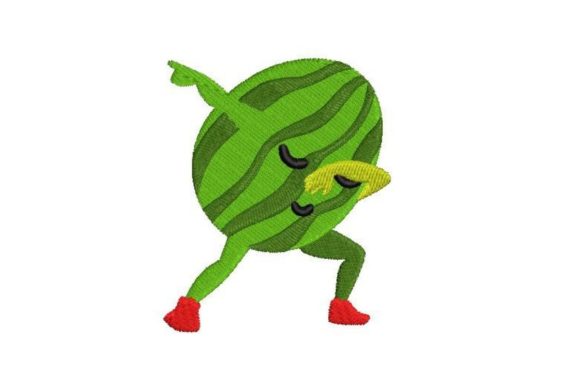
The immediate vibe of the Dabbing Watermelon is undeniably playful. In the world of Dessert themed graphics, watermelons often lean towards rustic or vintage aesthetics, but the addition of the "dab" pose shifts this firmly into modern, internet-savvy territory. For a brand, this signals approachability and humor. It feels friendly rather than corporate, which is exactly what many handmade brands and local cafes are striving for today.
From a technical standpoint, the concept suggests bold shapes. Watermelons rely on strong color contrasts—deep greens, bright reds or pinks, and black seeds. This high contrast is generally excellent for visibility, ensuring the design pops even from a distance. However, the success of this visual personality depends entirely on execution. A poorly digitized version can look muddy, while a well-executed one becomes a standout asset for any custom apparel line.
Real-World Business Applications
When evaluating a digital embroidery file for commercial use, I always ask: where does this live? The Dabbing Watermelon is versatile, but it shines brightest in specific contexts. Here is how I see it performing in real business scenarios:
- Embroidered Patches: This is perhaps the strongest application. A patch allows for dense stitching without worrying about fabric puckering. It can be ironed onto denim jackets, canvas backpacks, or tote bags, offering a low-risk way for customers to try branded merchandise.
- Café and Bakery Aprons: For a summer-themed café or a juice bar, this design works perfectly as apron embroidery. It adds a touch of whimsy to staff uniforms, making employees appear more approachable and fun.
- Tote Bag Design: Canvas totes are a staple for Etsy sellers and boutique shops. Placing the watermelon on the lower corner or centered on the front creates a trendy accessory that doubles as walking advertising.
- Cap Embroidery: A small version on the side panel of a trucker hat or the front of a dad hat can serve as a subtle brand accent. However, this requires careful scaling to maintain clarity.
For small business owners, using this design on customer gifts or event merch can significantly boost buyer engagement. It transforms a standard transaction into a memorable experience, reinforcing the brand’s unique voice.
Technical Considerations and Placement Strategy
While the concept is strong, the technical execution requires attention. As a designer, I advise caution when placing complex or detailed designs on challenging surfaces. The Dabbing Watermelon must be evaluated for stitch density. If the digitizer has packed too many stitches into the green rind or the red flesh, the fabric may pucker, especially on lighter materials like cotton t-shirts.
Here are specific areas where you should proceed with care:
- Small Patch Sizes: If you scale the design down too much, the details of the face or the dabbing arm may merge. Always test the smallest intended size first.
- Curved Surfaces: Embroidering on cap fronts requires a stable backing and precise hooping. The curvature can distort the image if the design is too wide.
- Dark Uniforms: If stitching on black or navy fabrics, ensure the thread colors have enough brightness. You may need to adjust the shade of red or pink to ensure it stands out against the dark background.
- Textured Fabric: Towels or thick canvas can swallow small details. Ensure the outline stitches are robust enough to remain visible on textured fabric texture.
It is crucial to note that the product description states the design comes with multiple embroidery file formats. However, it does not specify exact stitch counts or recommended hoop sizes. Before committing to a large production run, you must check these details. A design intended for a 5x7 hoop will not work correctly if forced into a 4x4 hoop without resizing, which can alter stitch density and cause breakage.
Impact on Brand Identity and Trust
Consistency is key to building trust. When a customer sees the same high-quality Dabbing Watermelon logo on your website, your packaging, and your staff uniforms, it reinforces professional reliability. A sloppy embroidered logo, however, can detract from perceived value.
Using a well-digitized design enhances the perceived quality of your handmade product. It shows that you care about the details. For Etsy sellers and craft businesses, this attention to detail can be the difference between a one-time buyer and a loyal customer. The design acts as a visual anchor, making your brand instantly recognizable in a crowded market.
Practical Designer Notes for Production
Before you load this file into your machine for a client order, follow these practical steps to ensure a premium finished product:
- Test in Black and White: Print or stitch a monochrome version first. This helps you see if the shapes are distinct without relying on color contrast.
- Check Thread Color Contrast: Select threads that mimic real watermelon colors but offer high visibility. Avoid muted tones that might look dirty on white fabric.
- Use Proper Stabilizer: For stretchy fabrics like t-shirts, use a cut-away stabilizer. For woven fabrics like aprons or totes, a tear-away may suffice, but test first.
- Create a Printable Mockup: Show your client a digital mockup of the design on their specific garment before stitching. This manages expectations and prevents costly errors.
- Confirm Commercial Licensing: The description mentions the file can be used, but always verify the specific license terms. Ensure you have the right to use it for commercial embroidery and resale items.
In conclusion, the Dabbing Watermelon is a potent tool for brands wanting to project a fun, summer-ready image. It fits seamlessly into the Embroidery niche for casual wear and accessories. By respecting the technical limitations and focusing on quality execution, small business owners can turn this playful design into a profitable asset. Whether used for a quirky café uniform or a trendy tote bag, it has the potential to become a signature element of your brand’s visual story.