Reviewing Flamingo One Line for Craft Fair Success
As an embroidery designer who has spent countless weekends standing behind booths at local markets, I have learned that not every design translates well from the screen to the hoop. When preparing for a busy season of craft fairs and handmade pop-ups, the right machine embroidery design can make the difference between a table that draws a crowd and one that gets ignored. Recently, I evaluated Flamingo One Line with a specific goal in mind: determining its viability as a high-converting craft fair product. This review breaks down how this specific Birds category design performs in real-world applications, focusing on what matters most to us as makers—visual impact, production ease, and sales potential.
First Impressions and Aesthetic Appeal
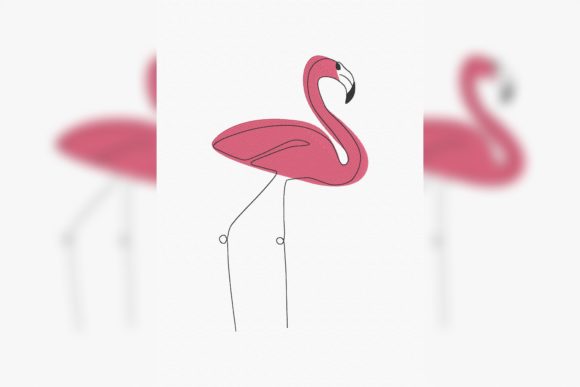
The moment I loaded Flamingo One Line, the immediate impression was one of modern minimalism mixed with playful charm. The description promises something "majestic and cute," and the single-line art style delivers exactly that. It feels less like traditional rustic Embroidery and more like contemporary graphic art. This aesthetic is crucial because it appeals to a broader demographic than just bird lovers; it attracts buyers looking for trendy, Instagram-worthy home decor and accessories. The design does not feel cluttered or overly dense. Instead, it offers a clean, elegant look that suggests a premium handmade product without appearing too busy. For a booth display, this clarity is vital. Customers walking past at a fast pace need to understand the motif instantly, and the bold, continuous line of the flamingo achieves this effortlessly.
Versatility Across Product Categories
One of the strongest selling points of Flamingo One Line is its adaptability. In my experience, a design that works on only one type of item limits your inventory potential. Here is how this design performs across various popular small shop product categories:
- Tote Bags: This is perhaps the ideal canvas. The design works beautifully as a central tote bag design, offering a striking focal point against natural cotton or canvas. The simplicity ensures it remains legible even when the bag is folded or stacked.
- Aprons and Kitchen Textiles: For apron embroidery, placing the flamingo on the bib or lower corner adds a whimsical touch. Similarly, tea towel embroidery benefits from the open space in the design, allowing the texture of the linen or cotton to show through without the stitch work feeling heavy.
- Caps and Headwear: Curved surfaces are tricky, but the linear nature of this design makes it a strong candidate for cap fronts. It avoids the puckering issues often associated with large, solid fills.
- Patches and Pouches: As an embroidered patch, this design stands out because the outline style creates a clear boundary. It also scales well for small fabric pouches, adding a pop of personality without overwhelming the limited space.
Production Practicality for Batch Selling
When you are producing inventory for a weekend market, time is money. Flamingo One Line appears to be optimized for efficiency. Because it relies on line work rather than heavy saturation, the stitch density is likely lower than complex filled designs. This means faster run times per unit, allowing you to produce more items in less time. However, speed should never compromise quality. It is essential to check the embroidery file settings to ensure the lines are thick enough to be durable but fine enough to maintain that delicate, artistic look.
Photography is another critical factor for the modern Etsy seller or anyone promoting their booth on social media. Designs with clean lines and distinct shapes photograph exceptionally well. They create sharp contrasts in digital images, making them perfect for printable mockup creation and online listings. A messy or overly detailed design can look noisy in photos, but Flamingo One Line retains its clarity, helping to boost buyer engagement and perceived value.
Technical Considerations and Careful Use
While the design is versatile, there are technical nuances to consider before committing to a large production run. Since this is a line-based design, the choice of thread colors is paramount. A high-contrast thread against the fabric will maximize visibility, while a tonal approach might cause the design to disappear, especially from a distance.
You must also consider fabric texture. On smooth cottons or polyesters, the design will look crisp. However, on textured towels or rough linen, the single line might get lost in the weave. In such cases, increasing the stitch width slightly or using a thicker thread could help maintain definition. Additionally, when working with dark fabrics, ensure your digitizer has included proper underlay stitches to prevent the fabric color from showing through the top stitching, which can muddy the clean lines.
Another point of caution is the hoop size. While the description mentions multiple formats, you must confirm the maximum hoop size available in the package. If you plan to create large pillow covers or market bags, you need to ensure the design scales up without losing integrity. Conversely, if you are making small items like coin purses, verify that the details do not become too tiny to stitch cleanly. Always test the design on scrap fabric first. Check for thread breaks, tension issues, and overall alignment.
Enhancing Brand Consistency and Value
Incorporating Flamingo One Line into your collection can strengthen your brand identity if you lean into a modern, cheerful aesthetic. Consistency in design style helps customers recognize your work. If your booth features a cohesive look—perhaps using similar line-art animals or botanical elements—this flamingo fits seamlessly into that narrative. It adds to the booth display strength by creating a visually harmonious environment that feels curated rather than chaotic.
Furthermore, the perceived value of a finished product featuring this design is high. The "one line" trend is currently popular in interior design and fashion, so customers often associate this style with higher-end boutique goods. By offering this design on quality blanks, you justify a higher price point compared to generic, mass-produced items.
Final Designer Notes
Before you list this as a commercial embroidery item, take these final steps:
- Verify Licensing: The description states it comes with multiple file formats and can be used with multi, but always double-check the specific license terms for selling finished physical goods. Ensure you are compliant with the creator's rules for digital embroidery file usage.
- Stabilizer Selection: Choose a stabilizer that matches your fabric weight. For stretchy fabrics like tote bags, a cut-away stabilizer might provide better long-term durability than tear-away.
- Create Real Mockups: Do not rely solely on digital previews. Stitch out the design on the actual materials you intend to sell. Compare how it looks on white versus colored fabrics to determine your best-selling combinations.
- Check File Details: Since the exact stitch count and specific hoop sizes are not detailed in the brief description, download the sample files if available or contact the seller to confirm compatibility with your machine.
In conclusion, Flamingo One Line is a strong contender for any embroidery business owner looking to refresh their inventory. It balances aesthetic appeal with production practicality, making it a smart choice for both online and offline sales. By paying attention to fabric choices and technical execution, you can turn this simple design into a standout star of your next craft fair.