Hearts with Flowers: A Designer’s Review for Small Business Merch
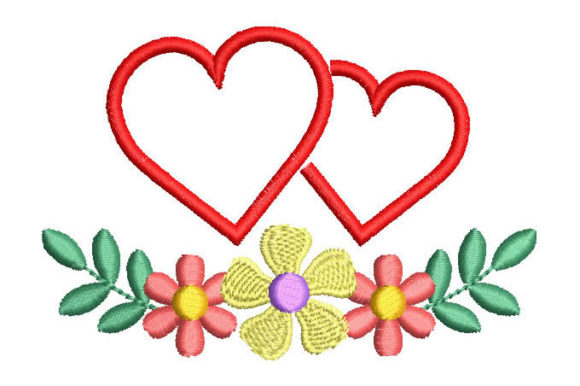
As an embroidery designer who has spent years digitizing and reviewing files for commercial use, I approach every new machine embroidery design with a critical eye. It is not just about whether a pattern looks pretty on a screen; it is about how it performs on actual fabric, how it holds up in the wash, and most importantly, how it serves the brand identity of the small business owner using it. Today, I am reviewing Hearts with Flowers, a colorful and cute floral piece that promises to beautifully decorate any fabric. For shop owners, Etsy sellers, and apparel decorators, understanding the practical application of this design is key to turning a digital file into a profitable finished product.
First Impressions: Visual Personality and Brand Fit
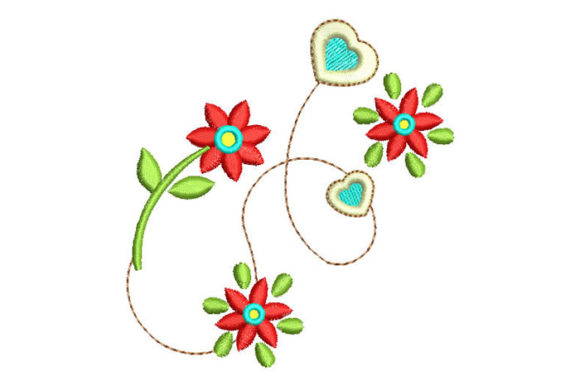
The title Hearts with Flowers immediately suggests a playful, affectionate aesthetic. Based on the description highlighting its colorful and cute nature, this design leans heavily into a friendly, handmade vibe. It does not scream corporate minimalism; instead, it offers warmth and approachability. For businesses in the lifestyle, boutique, or creative sectors, this visual personality is a significant asset. It feels decorative yet structured enough to serve as a recognizable mark.
When evaluating this for small business merch, consider who your customer is. If you run a local bakery, a florist shop, a pet grooming studio, or a handmade jewelry brand, this design aligns perfectly with a brand identity that values care, detail, and charm. It is less suitable for industrial or high-tech brands but shines in environments where emotional connection drives sales. The combination of hearts and floral elements creates a classic, timeless look that avoids trending too hard into fleeting fads, ensuring your merchandise remains relevant for longer.
Real-World Applications for Commercial Embroidery
The versatility of Hearts with Flowers is its strongest selling point for commercial use. The description notes it works on pillows, bed sheets, blankets, room decor, and apparel. From a production standpoint, here is how I would deploy this design across different product lines:
- Embroidered Patches: This is perhaps the most lucrative application. A well-digitized version of this design can be turned into iron-on or sew-on patches. These are excellent for adding value to plain tote bags or denim jackets without committing to permanent embroidery on the base garment.
- Staff Uniforms and Aprons: For cafes and boutiques, apron embroidery adds a layer of professionalism. Placing this design on the chest pocket or upper back of an apron creates a cohesive team look that customers associate with quality service.
- Cap Embroidery: While caps require careful handling due to curved surfaces, a simplified version of this design could work beautifully on the side panel or as a smaller accent on the front, provided the stitch density is managed correctly.
- Tote Bag Design: Canvas totes are a staple for eco-friendly brands. Embroidering Hearts with Flowers directly onto the bag elevates it from a promotional giveaway to a desirable retail item.
- Customer Gifts: Use this design on small items like handkerchiefs or pouches included in online orders. It enhances the unboxing experience and reinforces brand recognition.
Technical Considerations and Production Risks
While the aesthetic appeal is clear, experienced embroiderers know that "cute" designs can sometimes hide technical pitfalls. Before running a full production batch, you must evaluate how Hearts with Flowers interacts with specific materials. The description mentions it comes with multiple formats, but it is crucial to check the specific stitch density and file details before loading it into your machine.
One major concern with floral and heart motifs is the potential for fine details to get lost. If the design includes tiny outlines or closely spaced petals, it may not translate well to textured fabrics like terry cloth towels or thick wool blankets. On dark uniforms, ensure that the recommended thread colors provide sufficient contrast. If the design relies on subtle shading, it might look muddy on black or navy fabrics unless you adjust the thread palette manually.
Additionally, consider the hoop size required. If the design is large, it may not fit on standard cap frames or small patch hoops without resizing. Resizing an embroidery file beyond 10% can distort the stitch balance, leading to puckering or thread breaks. Always test the design at the exact size you intend to produce. For items that undergo frequent washing, such as bed sheets and apparel, verify that the underlay stitches are sufficient to anchor the design securely.
Enhancing Brand Identity and Customer Trust
In the world of custom apparel and handmade goods, consistency is trust. Using a distinct design like Hearts with Flowers across various touchpoints creates a visual language that customers recognize. When a client sees the same high-quality embroidery on your website’s printable mockup, your packaging, and the actual product they receive, it validates your professionalism.
This design helps differentiate your handmade product from mass-produced alternatives. Machine embroidery has a tactile quality that prints cannot replicate. The raised texture of the threads adds perceived value, allowing you to command higher price points. For Etsy sellers and crafters, showcasing close-up photos of the stitch work can significantly boost buyer engagement. It proves that you care about the details, which translates to confidence in your overall brand.
Practical Designer Notes for Implementation
To ensure success with this digital embroidery file, follow these practical steps before offering it as part of your catalog:
- Test in Monochrome: Before committing to colorful threads, stitch out the design in black and white. This reveals the structural integrity of the digitizing and helps you see if the shapes are distinct without color reliance.
- Check Stabilizer Requirements: Floral designs often have open spaces that can cause fabric to shift. Use a cut-away stabilizer for stretchy fabrics like t-shirts and a tear-away for stable woven fabrics like canvas totes.
- Verify Commercial Licensing: The description mentions the file comes with certain attributes, but always confirm the license terms. Ensure you have the right to use the design for commercial embroidery projects and not just personal home use.
- Create Mockups: Use the design assets to create realistic printable mockup images for your online store. Show the design on a pillow, a shirt, and a patch to help customers visualize the end result.
- Fabric Testing: Stitch a sample on the exact fabric you plan to sell. Check for puckering, thread breaks, and color fastness after washing.
In conclusion, Hearts with Flowers is a strong contender for small businesses looking to add a touch of warmth and professionalism to their merchandise. By respecting the technical limitations of embroidery and leveraging the design’s aesthetic strengths, you can create products that not only look beautiful but also strengthen your brand’s market presence. Always prioritize quality control and testing to ensure that every stitched piece reflects the high standards your customers expect.