Rose with Green Leaf: A Designer’s Review
As an embroidery designer who has spent years testing digital files for real-world application, I approach every new machine embroidery design with a mix of curiosity and caution. When I first loaded the Rose with Green Leaf into my software, I was looking for more than just pretty petals. I wanted to know if this design could hold up under the scrutiny of a paying customer. For those of us running small shops or selling on platforms like Etsy, the difference between a file that looks good on screen and one that stitches out beautifully on fabric is everything. This review breaks down how this specific Embroidery piece performs when moved from the digital realm to tangible, personalized gifts.
First Impressions: Mood and Emotional Appeal
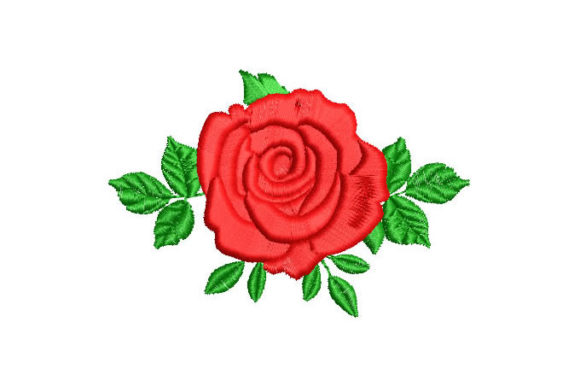
The immediate impression of Rose with Green Leaf is one of timeless romance. It does not try to be overly modern or abstract; instead, it leans into a classic, elegant aesthetic that feels inherently handmade. The balance between the bloom and the foliage suggests a natural growth pattern, which adds a layer of organic charm often missing in rigid, geometric designs. For a personalized gift, this mood is crucial. Customers are not just buying a stitch pattern; they are buying an emotion. Whether it is nostalgia, love, or comfort, this design delivers a soft, welcoming vibe.
Belonging to the Single Flowers category, it stands alone effectively without needing complex backgrounds. This simplicity is its strength. It allows the viewer to focus on the detail of the petals and the curve of the leaf, making it versatile enough for both delicate and robust applications. It feels sweet yet sophisticated, avoiding the trap of looking childish while remaining accessible enough for a wide range of demographics.
Versatility in Personalized Products
The true test of any embroidery file is its adaptability. I imagined several scenarios where Rose with Green Leaf would shine in a commercial setting. For baby embroidery, this design works wonderfully on muslin swaddles or nursery wall hangings. The organic shape complements the softness required for infant products. However, one must be mindful of scale. On a tiny baby onesie, the details need to remain clear without becoming a dense patch of thread.
For wedding enthusiasts, this rose is a strong contender for wedding gift items. Imagine it stitched onto the corner of a high-quality linen napkin set or as a centerpiece on a ring bearer’s pillow. It adds a touch of bespoke luxury that mass-produced items cannot replicate. In the home decor sector, the design translates beautifully to an embroidered towel for the kitchen or bathroom. The green leaf provides a fresh contrast against white or cream fabrics, enhancing the perceived cleanliness and freshness of the item.
I also see great potential for this design on tote bags and aprons. For the Etsy seller or craft fair vendor, these are high-turnover items. A custom tote with this rose can be marketed as a "botanical everyday carry," appealing to buyers who value sustainable, handmade product aesthetics. The design’s structure holds up well on heavier canvas materials, provided the correct needle and stabilizer are used.
Navigating Fabric and Technical Challenges
While the design is beautiful, practical application requires attention to detail. Not all fabrics behave the same way. When working with textured fabric, such as waffle-weave towels or thick terry cloth, the smaller details of the rose might get lost. In these cases, I recommend increasing the size slightly or ensuring the stitch density is appropriate for the pile of the fabric. If the density is too low, the fabric shows through; if too high, the fabric puckers.
Stretchy baby clothes present another challenge. The curvature of the leaf and the roundness of the rose require a stable base. Using a cut-away stabilizer is often safer than tear-away for garments that will undergo frequent washing and stretching. Additionally, when stitching on dark fabric, thread color contrast becomes critical. A deep red rose on navy blue might disappear. I always advise creating a printable mockup or doing a test stitch on scrap fabric to verify visibility before committing to the final finished product.
Curved surfaces, such as the toe of a sock or the collar of a shirt, can distort the shape of the rose. Careful hooping is essential. If the hoop size is too large for the garment, it can be difficult to position the design accurately. Always check the specific requirements of the file, as these details are not always explicitly stated in brief descriptions.
Enhancing Perceived Value and Trust
From a business perspective, the quality of the stitch-out directly impacts customer trust. A clean, well-defined Rose with Green Leaf signals professionalism. It tells the buyer that the creator cares about quality. This emotional connection drives repeat business. When customers see a crisp, vibrant rose on their pillow cover or blanket embroidery, they perceive higher value. This allows small shop owners to price their items competitively while maintaining healthy margins.
Photography plays a huge role here. The contrast between the red or pink tones of the rose and the green leaf creates visual interest in photos. This helps with buyer engagement on social media and online marketplaces. A well-lit photo of this design on a textured linen background can stop a scroller in their tracks, turning a browser into a buyer.
Practical Steps for Embroiderers
Before launching this design in your store, follow these practical steps to ensure success:
- Test on Scrap Fabric: Always stitch a sample on the exact material you plan to sell. Check for puckering or thread breaks.
- Check Thread Colors: Ensure your thread palette matches the intended mood. Variegated threads can add depth to the petals but may obscure fine details.
- Confirm Hoop Size: Verify that the design fits within your machine’s maximum hoop area. Some larger versions of single flowers may require multi-hooping.
- Review Stitch Density: Look at the stitch count relative to the size. High density on thin fabric causes stiffness; low density on thick fabric looks sparse.
- Use Proper Stabilizer: Match the stabilizer to the fabric weight. Water-soluble topsheets can help keep stitches clean on plush fabrics.
- Compare Light and Dark Mockups: Visualize the design on various backgrounds to ensure versatility.
- Check Small Details: Inspect the tip of the leaf and the center of the rose after stitching. Are they sharp or blobby?
- Confirm Commercial Licensing: Before selling commercial embroidery products, ensure the license terms allow for finished goods sales. This is critical for legal protection.
In conclusion, Rose with Green Leaf is a versatile and emotionally resonant addition to any designer’s library. It bridges the gap between classic elegance and modern customization. By understanding its technical needs and leveraging its aesthetic appeal, embroiderers can create stunning custom embroidery pieces that resonate with customers. Whether for a wedding gift, a nursery item, or a stylish tote, this design offers the charm and quality needed to build a reputable brand. Always remember to check the specific file details provided by the creator, as each digital embroidery file has unique characteristics that influence the final outcome. With careful preparation, this rose can become a staple in your portfolio of beloved handmade treasures.