Japanese Geisha: A Professional Embroidery Design Review
As an experienced embroidery designer who has spent years curating design assets for small business owners, I approach every new digital file with a critical eye. The market is flooded with generic patterns, but finding a piece that truly elevates brand identity while remaining practical for production is rare. Today, I am reviewing the Japanese Geisha machine embroidery design. This design promises to be an "astonishing" and "beautiful" addition to your collection, offering a delicate and fresh touch to clothes or accessories. But does it hold up under the scrutiny of commercial use? Let's dive into how this specific embroidery file performs when translated from a screen to real-world merchandise.
First Impressions: Elegance Meets Commercial Viability
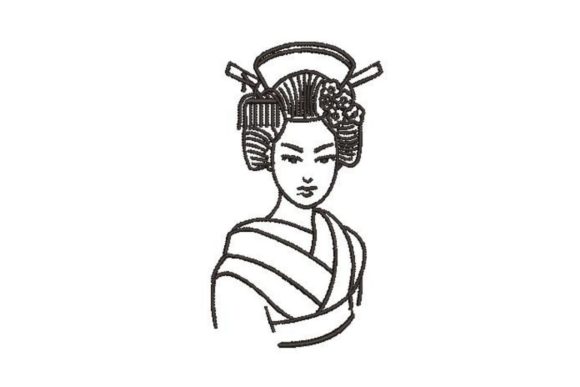
When I first opened the preview of the Japanese Geisha, the visual impact was immediate. In the realm of Beauty and decorative arts, this design stands out as a classic yet sophisticated choice. It exudes an air of premium quality and artistic heritage. For a boutique owner or a handmade brand looking to differentiate itself, this design offers a level of elegance that mass-produced logos often lack. The lines appear fluid, suggesting a high level of detail that could translate beautifully into a finished product.
However, in my line of work, beauty must always be balanced with function. A design that looks stunning on a monitor can sometimes fail on fabric due to excessive stitch density or fragile outlines. The description notes that this comes with multiple embroidery files, which is a crucial feature for versatility. This suggests the creator has considered different application sizes, a vital factor for anyone producing small business merch. The overall aesthetic feels both timeless and fresh, making it suitable for brands that want to project professionalism without appearing corporate or sterile.
Real-World Applications for Small Business Merchandise
The true test of any machine embroidery design is its adaptability across various products. Here is how I envision the Japanese Geisha performing in specific commercial scenarios:
- Embroidered Patches: This design is ideally suited for creating high-quality embroidered patches. Imagine a local café or a creative studio using these as exclusive staff badges or customer loyalty rewards. The intricate details of the Geisha would pop against a felt backing, creating a collectible item that adds value to your brand.
- Apron Embroidery: For bakeries, florists, or artisanal food brands, placing this design on the bib of a chef's apron creates an instant focal point. It signals attention to detail and cultural appreciation, enhancing the perceived value of the goods being sold.
- Cap Embroidery: While caps have limited space, a simplified version of this design could work well on the front panel or the side of a baseball cap. It serves as a subtle branding element that is more engaging than a simple text logo.
- Tote Bag Design: Canvas tote bags are a staple for eco-friendly businesses. The Japanese Geisha would look striking on a natural cotton tote, turning a simple shopping bag into a fashion statement. This is excellent for event merch or as a branded gift for loyal customers.
- Custom Apparel Accents: Rather than centering the design on a shirt, consider using it as a sleeve detail or a chest accent on polos. This approach allows for a more modern, less overwhelming look, perfect for uniforms where subtlety is key.
Strategic Considerations for Brand Identity
Incorporating the Japanese Geisha into your product line is not just about decoration; it is a strategic move for your brand identity. Using such a distinct visual asset helps build customer trust and recognition. When clients see consistent, high-quality imagery across their purchases—whether on a tote bag design or a patch—they associate that quality with your entire business.
This design can significantly boost buyer engagement by adding a "handmade" feel to mass-produced items. Even if you are using a commercial embroidery machine, the complexity of the Geisha motif suggests craftsmanship. This perception increases the product value, allowing you to price your merchandise higher than competitors using generic clip art. Furthermore, maintaining visual consistency with this design across different media, from physical goods to printable mockups used in marketing, strengthens your professional image.
Where Caution is Required
Despite its potential, there are areas where the Japanese Geisha requires careful handling. As a designer, I advise caution in the following scenarios:
- Small Patch Sizes: If you attempt to shrink this design too much for tiny labels, the delicate features may become indistinguishable. Always check the minimum size recommendations before scaling down.
- High Stitch Density: Intricate designs like this can result in heavy thread buildup. On thin fabrics, this might cause puckering. You must ensure the stitch density is appropriate for the material you are using.
- Dark Uniforms: While beautiful, light-colored thread on dark fabric requires precise outlining. Without proper underlay, the details of the Geisha could get lost in the background texture.
- Frequent Washing: Items like aprons or staff shirts undergo rigorous washing. Ensure the thread colors chosen have good colorfastness and that the stabilizer used supports the longevity of the design.
Practical Designer Notes for Production
If you decide to integrate the Japanese Geisha into your workflow, follow these professional steps to ensure a flawless outcome:
- Test in Black and White First: Before committing to expensive threads, run a test in a single color to check the flow of the stitches and identify any potential gaps or overlaps.
- Verify Hoop Size: Confirm that your embroidery hoop can accommodate the design dimensions. If the design is large, you may need a multi-hoop setup or a larger machine bed.
- Select the Right Stabilizer: Given the detailed nature of the design, a cut-away stabilizer is often better than tear-away to prevent distortion over time, especially on stretchy fabrics.
- Check Thread Color Contrast: Experiment with different thread colors to see what highlights the Geisha's features best. High contrast usually ensures better visibility and definition.
- Create a Mockup for Approval: If you are working with a client, generate a printable mockup showing the design on the actual product. This manages expectations and prevents costly reworks.
- Confirm Licensing: Always verify the commercial licensing terms of the digital embroidery file. Ensure you have the right to sell finished products made with this design before launching your line.
Final Verdict for Merch Creators
The Japanese Geisha is more than just a pretty picture; it is a versatile tool for entrepreneurs aiming to elevate their custom apparel and branded goods. Its ability to convey elegance and culture makes it a standout choice for boutiques, cafes, and craft businesses. However, success lies in the execution. By respecting the design's technical requirements regarding hoop size, fabric texture, and stabilizer choice, you can transform this embroidery file into a profitable asset.
For those ready to add a delicate and fresh touch to their inventory, this design offers a unique opportunity to stand out. Just remember to test thoroughly, respect the details, and ensure your licensing is clear. With the right approach, the Japanese Geisha can become a signature element of your brand, recognized and cherished by your customers.