Ballpark Embroidery Design Review for Merch
As an embroidery designer who has spent years digitizing and testing files for commercial use, I approach every new machine embroidery design with a critical eye. It is not just about whether it looks pretty on a screen; it is about how it performs on the hoop, how it wears after fifty washes, and how it elevates a brand’s perceived value. Today, I am reviewing Ballpark, a sports-themed design that promises versatility for t-shirts, hoodies, and backpacks. For small business owners, Etsy sellers, and apparel decorators, understanding the practical application of this file is crucial before adding it to your product line.
First Impressions and Visual Personality
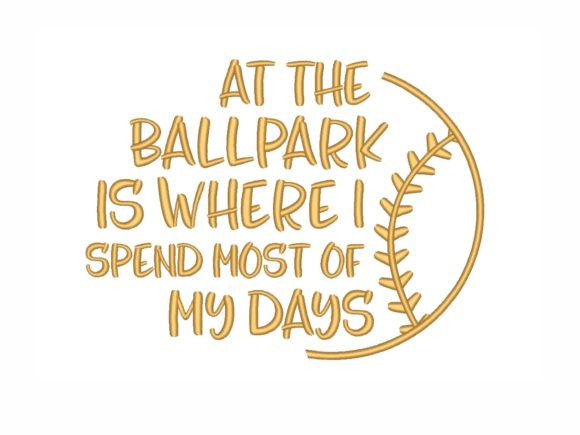
The title Ballpark immediately sets a tone of nostalgia, community, and classic Americana. In the world of Sports merchandise, there is a fine line between looking like generic clipart and looking like a curated brand asset. Based on the description, this design leans into a friendly, accessible aesthetic. It feels playful yet structured, which is ideal for businesses that want to project approachability without sacrificing professionalism.
For a boutique or a local creative studio, this visual personality can be a powerful tool. It does not scream "aggressive athlete"; instead, it whispers "weekend fun" and "local team spirit." This makes it highly adaptable for brands that are not strictly sports-related but want to tap into the communal energy of baseball culture. Whether you are running a bakery, a pet brand, or a florist, the Ballpark motif can serve as a charming accent that humanizes your brand identity.
Real-World Applications for Small Business Merch
The true test of any digital embroidery file is its versatility across different substrates. The description notes that it stitches out nicely on t-shirts, hoodies, and backpacks, but let us dig deeper into specific commercial applications.
- Embroidered Patches: This is perhaps the most lucrative use case. By stitching Ballpark onto twill or felt and cutting it out, you create a standalone asset. These patches can be sold individually or used as add-ons for jackets and bags. They allow customers to customize their own gear, increasing engagement and average order value.
- Staff Uniforms and Aprons: For cafes and boutiques, branded aprons are walking billboards. A chest-left placement of this design adds a touch of whimsy to standard workwear. It breaks the monotony of solid colors and reinforces team unity. However, ensure the thread colors contrast well with your uniform fabric to maintain visibility.
- Cap Embroidery: Baseball caps are a staple of casual merch. The curved surface of a cap front requires a design that is not too wide or too dense. If Ballpark has a compact footprint, it could work beautifully here, but you must check the width against your specific cap buckram limits.
- Tote Bag Design: Canvas tote bags are popular for grocery runs and beach days. A centered or corner-placed embroidery adds a premium feel that printed ink cannot match. The texture of the thread against the canvas creates a tactile experience that enhances the perceived quality of the handmade product.
Navigating Technical Challenges and Fabric Constraints
While the concept is strong, execution is everything. As a designer, I advise caution when applying this design to certain surfaces. Stitch density is a critical factor. If the design is too dense, it can cause puckering on lightweight fabrics like thin cotton t-shirts. Conversely, if it is too open, it may look sparse on heavy denim or backpack material.
You must also consider fabric texture. On textured fleece hoodies, fine details can get lost. If Ballpark includes tiny lettering or intricate outlines, these elements might merge together on plush fabrics. Always run a test stitch on the exact material you plan to sell. Additionally, dark uniforms require careful color selection. A navy design on a black shirt will vanish. Use bright or contrasting thread colors to ensure the logo pops.
Another area of concern is curved surfaces. When embroidering on caps or rounded backpack panels, the design can distort if not properly stabilized. Use a strong cut-away stabilizer for stretchy fabrics and a tear-away for stable wovens. Never skip the hooping process; floating might seem faster, but it often leads to misalignment, which is unacceptable for professional commercial embroidery.
Impact on Brand Identity and Customer Trust
Why does the choice of embroidery matter for your bottom line? Because it signals quality. A printed logo can crack and fade; an embroidered logo endures. Using Ballpark as part of your brand identity tells customers that you invest in durability and detail. It builds trust. When a customer receives a hoodie with a crisp, well-stitched design, they perceive the entire brand as higher quality.
Consistency is key. If you use this design across multiple touchpoints—such as on your packaging accents, staff shirts, and loyalty gifts—you create a cohesive visual language. This recognition drives buyer engagement. Customers begin to associate the playful, sporty vibe of Ballpark with your specific business values, whether that is community focus, reliability, or fun.
Practical Designer Notes for Production
Before you list this item in your Etsy shop or pitch it to a corporate client, follow these steps to ensure a flawless finished product:
- Test in Black and White: Remove color from your view to check the structural integrity of the design. If it looks muddy in grayscale, it will look messy in thread.
- Check Scale: Verify if the design works at small patch sizes. Shrink it down on your screen. Do the details hold up? If not, you may need to simplify or enlarge the placement.
- Review Thread Contrast: Ensure your chosen thread palette offers enough contrast against your base fabric. High contrast improves readability and visual impact.
- Confirm Hoop Size: The product description does not specify the exact dimensions. You must check the file details to ensure it fits within your machine’s maximum hoop size. Do not assume it fits a 4x4 hoop if it was digitized for a 5x7.
- Create a Printable Mockup: Before stitching, place the design on a digital mockup of your garment. This helps you visualize the final look and approve it for client presentations.
- Verify Licensing: Since this is for small business merch, confirm the commercial license terms. Ensure you have the right to sell physical items made with this embroidery file.
In conclusion, Ballpark offers a charming, versatile option for businesses looking to add a sporty, friendly touch to their merchandise. By paying attention to technical details like stabilizer choice, fabric compatibility, and scale, you can transform this simple design into a high-value asset for your brand. Treat it not just as decoration, but as a strategic tool for enhancing customer perception and driving sales through quality custom apparel and accessories.