Reviewing Santa Claus ITH for Holiday Projects
As a designer who has spent countless hours staring at digitized paths and troubleshooting thread breaks, I approach every new machine embroidery design with a mix of curiosity and skepticism. The holiday season is particularly crowded with festive motifs, so finding a design that stands out without being overly complex is a genuine challenge. Recently, I evaluated Santa Claus ITH, an in-the-hoop project that promises to bring a smile to your face. After reviewing its structure and potential applications, I want to share my practical insights on how this design performs in real-world scenarios.
First Impressions and Visual Personality
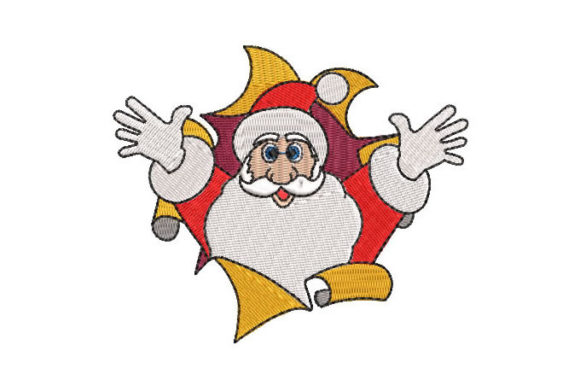
The immediate appeal of Santa Claus ITH lies in its approachable charm. It does not try to be hyper-realistic or overly detailed, which is often a pitfall for small-scale embroidery. Instead, it leans into a stylized, friendly aesthetic that reads well from a distance. For those of us creating handmade products, clarity is key. A design that looks muddy when stitched out at two inches wide is useless for commercial applications.
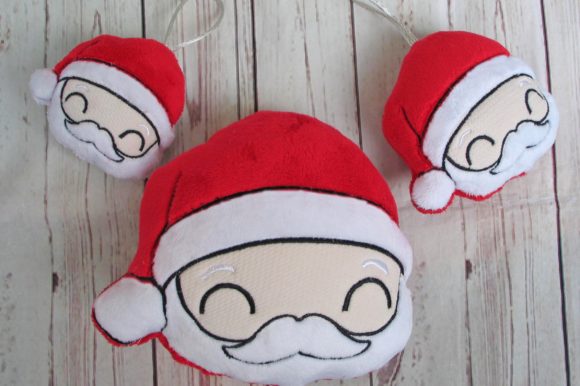
This lovely Christmas embroidery is fun and easy to create with the in-the-hoop technique. This machine embroidery desi gn focuses on clean lines and balanced proportions. The layout suggests a thoughtful consideration of stitch direction, ensuring that the iconic red suit and white beard maintain their definition. When I visualize this on a product, it feels less like a stiff graphic and more like a warm, inviting accent. It creates a mood of nostalgic comfort, which is exactly what customers are looking for during the holiday rush.
Real-World Application: The Custom Tote Bag Scenario
To truly test a design’s viability, I imagine it in a specific client project. Let’s say a local boutique owner wants a run of limited-edition canvas tote bags for their holiday gift wrapping service. They need something durable, quick to produce, and visually striking. Santa Claus ITH fits this brief remarkably well.
Using the in-the-hoop method means the edges are finished neatly within the hoop, reducing the need for additional trimming or sewing after the machine stops. This efficiency is crucial for Etsy sellers and small shop products where time equals money. On a heavy canvas tote, the design would sit prominently on the front panel. The fill stitch areas likely provide enough coverage to obscure the weave of the fabric, while the satin stitch borders would add a subtle sheen that elevates the perceived value of the item.
Beyond totes, consider sweatshirt embroidery. A left-chest placement of this Santa motif on a heather grey crewneck creates a sophisticated yet festive look. It avoids the "tacky sweater" trope by keeping the scale modest and the execution clean. For baby embroidery, such as a bib or a onesie, the soft curves of the design are safe and appealing, provided you use appropriate stabilizer to prevent puckering on delicate knits.
Technical Considerations for Designers
While the concept is adorable, successful execution depends on technical precision. Since the product description highlights the in-the-hoop technique, we know this involves multiple steps: stitching the outline, placing the fabric or backing, and then completing the enclosure. Here are my practical notes for anyone adding this to their design assets library.
- Stabilizer Selection: In-the-hoop projects often involve layers. Use a cut-away stabilizer if you are working with stretchy fabrics like jersey for custom apparel, or a tear-away for stable wovens like cotton twill used in aprons.
- Thread Color Contrast: Test your thread colors against your fabric. A bright red Santa on a dark navy background pops beautifully, but ensure your white beard thread has enough density to cover the dark fabric underneath without showing gaps.
- Hoop Size Verification: Always confirm the required hoop size before starting. In-the-hoop designs are dimensionally specific. If your machine only has a 4x4 hoop, ensure this design fits comfortably with room for the closure stitches.
- Fabric Texture: Avoid highly textured fabrics like thick bouclé for this type of design. The fine details of Santa’s face or accessories might get lost in the pile. Smooth cottons, polyesters, and light denim yield the crispest results.
Navigating Potential Pitfalls
Even the best designs have limitations. You should use caution when applying Santa Claus ITH to curved surfaces like caps. The in-the-hoop construction adds bulk, which can be difficult to manage on the structured crown of a baseball cap. It is better suited for flat or slightly curved items like pillow covers, kitchen towels, or patch-style appliqués.
Additionally, be mindful of stitch density. If the design relies heavily on dense fill stitches for the red suit, it may become stiff. For items that need frequent washing, such as baby clothes or kitchen linens, ensure the backing is secure and consider using a soft mesh stabilizer to maintain hand feel. Always test the design on scrap fabric first. Check for thread breaks in tight corners and inspect the registration of the final closure stitch.
Commercial Value and Brand Consistency
For craft business owners, the visual appeal of a design directly impacts buyer engagement. Santa Claus ITH offers a professional finish that builds customer trust. When a buyer sees a neatly enclosed edge and vibrant colors, they perceive higher quality. This is essential for maintaining brand consistency across your finished product line.
Whether you are creating personalized gifts for family or commercial embroidery items for sale, this design serves as a versatile asset. It works well in printable mockup previews because its shape is recognizable even in thumbnail images. For digital embroidery file sellers, offering this as part of a holiday bundle could increase average order value, provided you clearly communicate the in-the-hoop nature of the project.
Final Verdict
In conclusion, Santa Claus ITH is a solid addition to any holiday-themed library. It balances ease of creation with visual impact, making it suitable for both novice hobbyists and experienced apparel decorators. By paying attention to fabric choice, stabilizer type, and hoop constraints, you can transform this digital file into a cherished physical object. Remember to check the specific licensing terms included with your purchase to ensure compliance for commercial sales. With proper preparation, this design will indeed bring a smile to your face—and your customers’—every time you see it.