Reviewing Pony Unicorn Sleeping for Real Projects
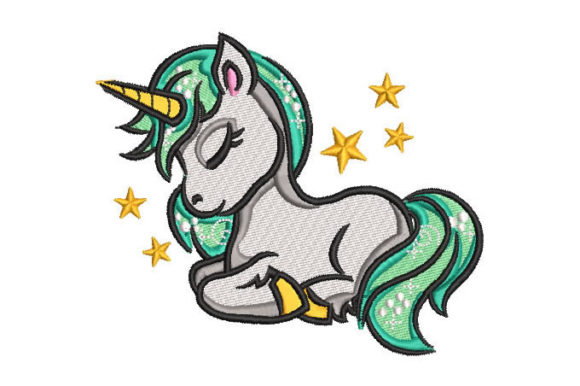
When I first loaded Pony Unicorn Sleeping into my digitizing software, the immediate impression was one of calm. In a market saturated with high-energy, neon-bright fantasy motifs, this design takes a different approach. It is peaceful and sweet, offering a softness that translates beautifully from screen to fabric. As an experienced designer who has stitched thousands of files for clients ranging from boutique baby brands to custom apparel shops, I look for more than just cute aesthetics. I look for stitch logic, fabric compatibility, and end-user appeal. This piece, categorized under Fairy Tales, feels less like a cartoon and more like a gentle narrative element, making it a strong candidate for specific, high-value applications.
The Aesthetic and Emotional Impact
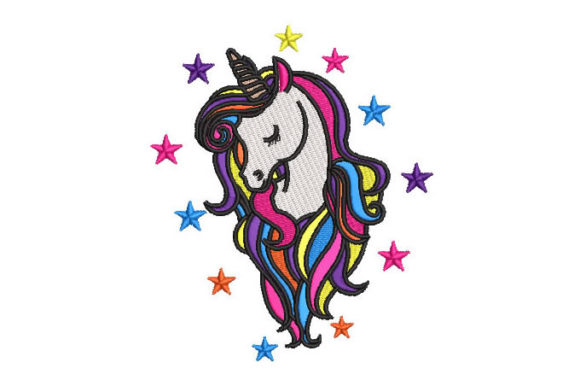
The visual personality of this embroidery design is defined by its tranquility. The layout suggests a resting pose, which naturally lowers the visual noise of the piece. For embroidery designers, this is crucial. A sleeping subject allows for smoother curves and potentially fewer abrupt direction changes in the needle path compared to an action-oriented pose. The mood it creates is nurturing and serene. This makes it an ideal choice for products where comfort is the primary selling point. When you are creating a handmade product intended to soothe or delight, the emotional resonance of the design matters as much as the technical execution.
I envision this working exceptionally well on items that touch the skin or reside in personal spaces. Think of a high-quality cotton pajama set or a plush bedroom decoration. The "sweet" descriptor in the product description is accurate; it does not demand attention but rather invites a second look. For Etsy sellers and small shop owners, this subtlety can be a powerful differentiator. It appeals to customers looking for understated magic rather than loud graphics.
Real-World Application Scenarios
To truly evaluate Pony Unicorn Sleeping, I mentally placed it on several common substrates. My first test case was a custom toddler sweatshirt. Here, the design shines. The soft lines complement the fuzzy texture of fleece or French terry cloth. Unlike complex geometric patterns that can get lost in pile fabrics, the clear silhouette of a sleeping unicorn remains distinct. It becomes a focal point without overwhelming the garment.
Another strong application is in nursery decor. Imagine this stitched onto a pillow cover or a wall hanging. The theme fits perfectly within a Fairy Tales aesthetic, providing a whimsical yet calming presence in a child’s room. For craft business owners, this opens up opportunities for coordinated sets—matching pillowcases, blankets, and wall art. The consistency of the design across different hoop sizes (provided you scale appropriately) helps build brand recognition.
I also considered its use on tote bags. A canvas tote with this embroidery would appeal to parents or teachers. However, because canvas has a coarse weave, I would recommend using a higher stitch density or a slight satin stitch border to ensure the edges remain crisp against the textured background. For personalized gifts, such as a baby blanket or a holiday embroidery project for a new parent, this design carries a weight of thoughtfulness. It feels intentional and caring, which increases the perceived value of the finished product.
Technical Considerations for Stitchers
While the design is visually appealing, practical embroidery requires technical vigilance. Since the product description notes that it comes with multiple embroidery file formats, you have flexibility, but you must verify the specifics before hooping. Always check the recommended hoop size against your machine’s capabilities. If the design is large, ensure your frame can accommodate it without hitting the machine arms.
Stitch density is another critical factor. A sleeping figure often implies soft, rounded forms, which may utilize fill stitches extensively. On thin fabrics like jersey or lightweight cotton, high-density fills can cause puckering. I strongly advise using a cut-away stabilizer for stretchy fabrics and a tear-away for stable woven materials. Test the design on scrap fabric first. This step is non-negotiable for professional results. Check how the thread colors interact with your base material. If you are stitching on dark fabric, ensure the design has enough contrast or consider using a lighter underlay to prevent the background color from showing through the stitches.
Be cautious with curved surfaces like caps. While possible, the detailed corners and potential density of a sleeping pose might not lay flat on a structured cap without careful hooping and stabilization. For embroidered patches, however, this could work beautifully if backed with a sturdy felt or twill base, allowing the design to stand out as a badge of whimsy.
Commercial Viability and Brand Consistency
For digital embroidery file sellers and commercial embroidery practitioners, Pony Unicorn Sleeping offers versatility. It fits into the evergreen market of children’s goods and fantasy-themed decor. When creating printable mockups or digital product previews, this design photographs well because of its balanced composition. It does not have awkward negative spaces that look empty in photos.
Customer trust is built on consistency. If your brand focuses on quality handmade items, using a clean, well-digitized design like this reinforces that promise. Buyers engage with products that look professional and durable. Ensure that the stitch path minimizes jumps and trims, which not only speeds up production but also results in a cleaner backside—a detail discerning customers appreciate in custom apparel and high-end gifts.
Final Designer Notes
Before committing to a large batch of sweatshirt embroidery or tote bag designs, review the license terms. Confirm whether the file allows for commercial use if you plan to sell finished items. Not all digital embroidery files carry the same rights, and protecting your craft business from legal issues is paramount. Additionally, inspect the small details in the preview. Look for potential thread breaks in tight areas and adjust tension settings accordingly during your test run.
In summary, Pony Unicorn Sleeping is a thoughtful addition to any designer’s library. It bridges the gap between whimsical fantasy and practical, soothing design. Whether you are creating a personalized gift, expanding your Etsy listings, or producing boutique merchandise, this design offers a reliable, aesthetically pleasing option. Just remember to respect the fabric, choose the right stabilizer, and always test before you produce. The result is a finished product that feels as peaceful to wear as it does to look at.