Mechanical Tool Lineart: A Designer’s Holiday Review
As an embroidery designer who spends countless hours analyzing stitch paths and thread tension, I approach every new machine embroidery design with a critical eye. However, when I first loaded the Mechanical Tool Lineart file into my software, I was immediately struck by its versatility. This is not just another generic graphic; it is a thoughtful piece of digital art that bridges the gap between rugged utility and delicate craftsmanship. For those of us planning our seasonal product lines, finding designs that resonate with specific niches while maintaining broad appeal is crucial. This review explores how this design fits into a holiday collection, specifically targeting the growing market for DIY enthusiasts, mechanics, and makers.
First Impressions: Rustic Charm Meets Modern Precision
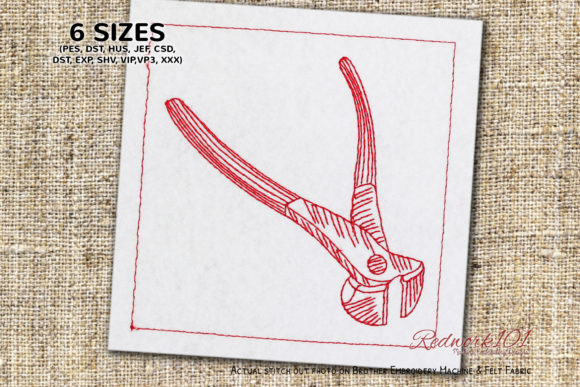
The initial visual impact of Mechanical Tool Lineart is one of clean, confident simplicity. The redwork style mentioned in the description suggests a classic, single-color aesthetic that harkens back to traditional hand-embroidery techniques, yet the subject matter is distinctly modern and industrial. This juxtaposition creates a unique emotional tone that is both nostalgic and contemporary. It feels rustic without being outdated, and premium without being overly ornate.
For a holiday collection, this mood is surprisingly effective. While we often associate the season with snowflakes and reindeer, there is a significant demographic looking for gifts that reflect personal passions. This design captures the spirit of the "maker" movement. It feels cozy in its simplicity, appealing to those who find comfort in creation and repair. The optional Box Stitch adds a layer of customization, allowing sellers to frame the artwork for a more finished, patch-like appearance or keep it minimal for a subtle look on apparel.
Strategic Placement in Seasonal Collections
When building a small shop product lineup for the holidays, context is everything. Mechanical Tool Lineart performs exceptionally well across various substrates, but its success depends on matching the item to the recipient’s lifestyle. Here is how I envision this design working in real-world selling situations:
- Sweatshirt Embroidery: Placing this lineart on the left chest of a high-quality hoodie creates an understated, professional look. It is perfect for the dad, brother, or partner who takes pride in their garage workshops.
- Kitchen Towel Embroidery: Redwork traditionally shines on linens. A set of flour sack towels featuring this design makes for an excellent handmade gift for housewarmings or hostess presents during the holiday party season.
- Tote Bag Design: Canvas totes are staple items for craft fairs. The bold lines of the tools stand out against natural canvas, appealing to DIY crafters who carry their own supplies.
- Embroidered Patch: If you utilize the optional box stitch, this design translates beautifully into iron-on patches. These can be sold as standalone accessories or applied to denim jackets for a customized, edgy holiday look.
For Etsy seller accounts, this design offers great potential for bundling. Imagine a "Workshop Essentials" gift set including a tote bag and a matching apron, both featuring the Mechanical Tool Lineart. Such bundles increase perceived value and average order value during the busy Q4 shopping period.
Navigating Technical Challenges and Fabric Choices
While the design is visually striking, practical application requires attention to detail. As a designer, I must advise caution when applying this to certain materials. The fine lines of the tool illustrations require precise needle penetration and proper stabilization.
Stitch density is a critical factor here. Since this is a lineart design, the density should be low enough to prevent puckering but sufficient to ensure the threads do not gap on stretchy fabrics. When embroidering on sweatshirts or fleece, using a cut-away stabilizer is non-negotiable to maintain the integrity of the lines over time. Conversely, for woven items like kitchen towels or pillow covers, a tear-away stabilizer may suffice, provided the fabric texture is smooth.
Color choice also plays a pivotal role. The description notes that the color of the outer box is customizable. For holiday sales, consider offering this in traditional red on white linen for a festive touch, or deep navy on heather gray for a more masculine, year-round appeal. Avoid using metallic thread for the main details unless you have tested it extensively, as metallics can break easily in fine, intricate runs. Instead, use high-sheen rayon or polyester threads to give the tools a slight luster that mimics metal without the fragility.
Enhancing Buyer Emotion and Brand Trust
In the crowded marketplace of digital embroidery file buyers and finished goods consumers, emotional connection drives sales. Mechanical Tool Lineart taps into the identity of the recipient. It says, "I see your passion," and "I respect your craft." This level of personalization builds customer trust and encourages repeat business.
For commercial embroidery users, consistency is key. Ensure that the hoop size you select matches the intended product. If you are creating ornaments, verify that the design scales down without losing definition. For larger items like pillow cover inserts or aprons, ensure the design is centered and balanced. Creating realistic printable mockup images for your online listings will help customers visualize the final product, reducing hesitation and cart abandonment.
Practical Designer Notes for Implementation
- Test Before You Sell: Always stitch out a sample on the exact fabric type you plan to sell. Check for pull-outs or gaps in the line work.
- Verify Licensing: Before listing finished products, confirm the commercial licensing terms of the embroidery file. Ensure you have the right to sell physical items made with this design.
- Check Hoop Size Compatibility: The description does not specify exact dimensions, so measure the design in your software. Ensure it fits within standard hoop sizes (4x4, 5x7, or 6x10) to maximize machine compatibility for your customers if selling the file, or to optimize production if selling finished goods.
- Thread Color Planning: Create a palette guide for your customers. Suggest combinations like slate gray on cream, or burgundy on navy, to help them envision the seasonal embroidery on their own projects.
In conclusion, Mechanical Tool Lineart is a robust addition to any Work-themed or hobbyist-focused Embroidery collection. Its clean lines and adaptable style make it suitable for a wide range of holiday gifts, from practical kitchen linens to stylish apparel. By paying attention to stabilizer choices, thread quality, and presentation, you can transform this simple line drawing into a high-value product that resonates with customers looking for meaningful, personalized gifts this season.