Easter Carrot: A Designer’s Review for Boutique Sweatshirts
As an embroidery designer who has spent years refining digitizing techniques for commercial apparel, I approach every new machine embroidery design with a critical eye. It is not just about whether the image looks cute on a screen; it is about how that design translates to fabric, how it withstands wear and tear, and ultimately, how it elevates a brand’s identity. Recently, I evaluated the Easter Carrot design for a potential limited-edition sweatshirt drop for a small boutique client. This review breaks down why this specific motif works exceptionally well for modern, handmade apparel lines.
First Impressions: Mood and Aesthetic Appeal
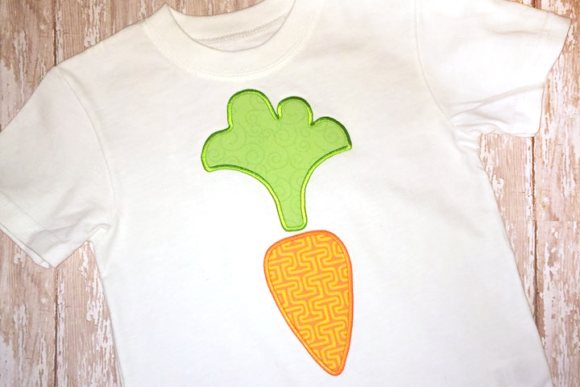
The initial visual impact of the Easter Carrot is undeniably charming. In a market saturated with generic holiday graphics, this design offers a refreshing blend of rustic warmth and playful minimalism. The description notes that it adds a "cute pop of color," which is precisely what many neutral-toned spring collections lack. When I loaded the preview into my software, the layout appeared balanced and intentional. It does not feel cluttered or overly complex, which is crucial for maintaining a premium look on textured garments.
The mood here is versatile. It leans towards a cozy, cottage-core aesthetic that resonates deeply with current fashion trends. For a boutique brand, this means the design can bridge the gap between childish whimsy and sophisticated home-style comfort. It feels decorative yet grounded, making it suitable for a wide demographic of customers who appreciate handmade quality without sacrificing style.
Application on Premium Sweatshirts and Hoodies
The core of my evaluation focused on how this embroidery file would perform on heavy-weight cotton blends typical of high-end sweatshirts. Neutral sweatshirts in oatmeal, sage green, or soft clay provide the perfect canvas for the vibrant oranges and greens inherent in a carrot motif. The contrast is immediate and eye-catching without being jarring.
For sweatshirt embroidery, placement is everything. I envision this design working beautifully as a left-chest accent on an oversized hoodie. This subtle placement screams "boutique brand" rather than mass-produced retail. It allows the fabric texture of the fleece to remain visible around the stitches, enhancing the tactile experience for the buyer. Alternatively, scaling the design up for a central back placement could create a bold statement piece, though one must be mindful of the hoop limitations.
When considering dark fabrics, such as charcoal or navy, the thread colors become even more critical. The bright orange of the carrot will pop dramatically against dark backgrounds, creating a striking visual that stands out in printable mockup previews and real-life lifestyle product photography. This versatility makes it a strong candidate for diverse inventory planning.
Technical Considerations for Commercial Production
From a technical standpoint, producing a finished product that meets commercial standards requires attention to detail. While the provided description highlights its use on kitchen towels and aprons, adapting it for apparel involves different constraints. Sweatshirts are thick, stretchy, and prone to shifting during hooping.
Stitch density is a primary concern. If the digitizing is too dense, the fabric may pucker, ruining the smooth drape of the sweatshirt. If it is too light, the backing material might show through, especially on darker garments. Based on the "lovely" and "adorable" descriptors, I anticipate a moderate density that balances coverage with flexibility. However, I strongly advise running test stitches on your specific fabric blend before full production.
Stabilizer choice is equally vital. For a heavy hoodie, a cut-away stabilizer is often recommended to provide long-term support and prevent distortion after washing. Since this is intended for commercial embroidery, durability is non-negotiable. Customers expect their handmade items to last, and proper stabilization ensures the Easter Carrot remains crisp and intact through multiple wash cycles.
Another practical consideration is the hoop size. Ensure that the design fits comfortably within your machine’s maximum hoop area, leaving enough margin for secure clamping. Small-size readability is also key; if you plan to offer this as a small chest logo, verify that the fine details of the carrot leaves do not merge into a blob when scaled down.
Enhancing Brand Identity and Product Value
For Etsy sellers and small shop owners, the right design asset can significantly boost perceived value. The Easter Carrot is not just a graphic; it is a branding tool. Using a cohesive, high-quality embroidery motif helps establish visual recognition. When customers see consistent, well-executed designs across your collection, it builds trust.
This design supports a narrative of seasonal joy and artisanal care. It transforms a basic sweatshirt into a handmade product with personality. In your Etsy listings, highlight the craftsmanship involved. Mention the careful selection of thread colors and the precision of the stitch work. These details justify a higher price point and differentiate your small shop product from cheap, printed alternatives.
Furthermore, the versatility of this digital embroidery file allows for cross-promotion. As mentioned in the description, it works on aprons and tablecloths. Offering matching home decor items alongside apparel can increase average order value and encourage customers to buy into a complete lifestyle aesthetic.
Final Verdict for Creative Entrepreneurs
The Easter Carrot is a strong contender for any spring-themed collection. It balances cuteness with sophistication, making it appealing to both young families and style-conscious adults. Its adaptability across various fabric types and placements offers creative freedom for designers.
However, success lies in the execution. Do not skip the testing phase. Check the specific stitch count and recommended hoop size in the file documentation, as these details were not explicitly provided in the brief summary. Ensure your tension settings are optimized for thick fabrics to avoid puckering.
By treating this design with the respect it deserves—careful hooping, proper stabilization, and thoughtful placement—you can create a custom apparel line that stands out. Whether you are decorating hoodies, tote bags, or home textiles, this design offers the charm and quality needed to engage customers and build a loyal following. Embrace the season with confidence, knowing that a well-chosen embroidery motif can be the cornerstone of a successful boutique launch.